By Coach Adam
28:Tenn Fitness | Hendersonville, Tennessee
“A healthy man wants a thousand things. A sick man only wants one.” — Confucius
Health is the foundation that holds up everything else in your life. Your energy. Your mood. Your ability to think clearly under stress. Your confidence. Your independence.
When your health improves, everything else tends to rise with it.
So if you asked me:
“If I could only do one thing for my health, what should it be?”
My answer would be simple:
Start with strength training.
Not running.
Not dieting.
Not supplements.
Strength.
Here’s why.
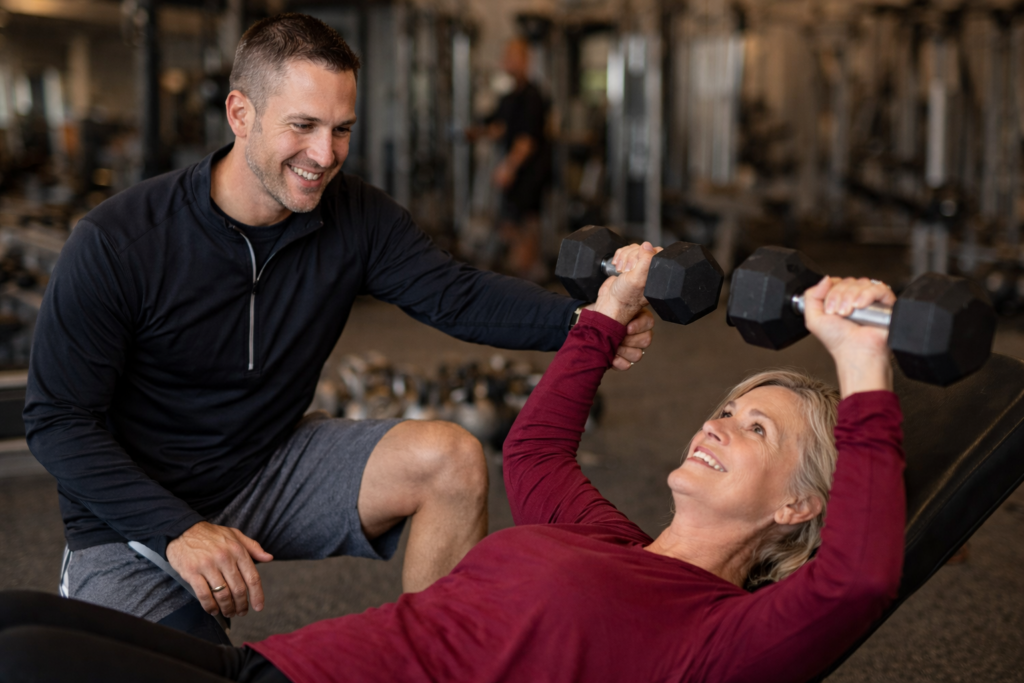
Strength isn’t just about muscles—it’s about capability.
Carrying groceries.
Getting off the floor.
Climbing stairs.
Playing with your kids or grandkids.
These are strength tasks.
Beginning around your 30s, adults lose 3–8% of muscle mass per decade, and the rate accelerates after age 60 if nothing is done to prevent it. This process—sarcopenia—is strongly linked to loss of independence and increased mortality risk.
Strength training is the most effective way to slow or reverse that decline.
And yes, candidly:
Most people want to be able to get off the toilet on their own when they’re older.
Strength helps ensure that.
Muscle tissue is metabolically active.
More muscle means:
The effect isn’t massive calorie burn—but it’s meaningful over time.
Strength training also increases metabolic rate temporarily after exercise (EPOC—excess post-exercise oxygen consumption), though modern research shows this typically lasts hours, not 72 hours as older claims suggested.
Still beneficial—just not magical.
Visceral fat (fat around the organs) is strongly associated with:
Research shows resistance training can significantly reduce visceral fat, even without major weight loss.
In some studies, resistance training produced greater reductions in waist circumference compared to aerobic exercise alone.
Translation:
You can improve body composition without living on a treadmill.
Strength training has been shown to:
This is one reason major organizations like the American Heart Association now recommend resistance training alongside aerobic exercise.
Your muscles are a massive glucose storage system. When they’re trained, your metabolic health improves.
One of the biggest myths:
“Lifting weights makes you tight.”
In reality, strength training performed through a full range of motion can improve flexibility just as much as traditional stretching.
Weak muscles often limit mobility more than strong ones.
Strength creates usable mobility—mobility you can control.
Stronger muscles, tendons, and connective tissues create more resilient bodies.
Strength training has been shown to significantly reduce sports and overuse injuries.
That’s not just for athletes.
It applies to everyday life.
Bone loss begins earlier than most people realize—especially in women.
You are literally investing in your future skeleton.
There’s something powerful about feeling physically capable.
Research shows resistance training can:
But beyond research, there’s something experiential:
When people get stronger, they start believing in themselves differently.
Emerging research suggests resistance training may improve:
Some studies even suggest it may help protect against age-related cognitive decline.
Your brain benefits when your body gets stronger.
Ultimately, strength training isn’t about barbells.
It’s about living better.
More energy.
More confidence.
More independence.
Less pain.
More capability.
That’s quality of life.
Strength training is any activity where your muscles work against resistance:
And you don’t need to train six days a week.
Research shows meaningful strength gains can occur with as little as:
2 sessions per week
1–3 sets per exercise
Training major muscle groups
More can be better—but small starts still matter.
“The best time to plant a tree was 20 years ago. The second-best time is now.”
Whether you’re 28, 48, 68, or 88:
Strength training works.
Your body adapts at every age.
Start small. Stay consistent. Progress gradually.
The benefits compound for decades.
If you want better health, start with strength.
Because when you get stronger:
Life gets easier.
And that’s a pretty good return on investment.
© 2026 28:Tenn Fitness ALL RIGHTS RESERVED
Website Proudly Designed by CGC